Watching someone you love navigate memory loss can bring difficult decisions, especially when safety becomes a concern at home. While many families want to provide support as long as possible, certain warning signs clearly indicate when additional support may be beneficial. Recognizing these safety signs that memory care is needed early can help protect your loved one while giving your family greater peace of mind.
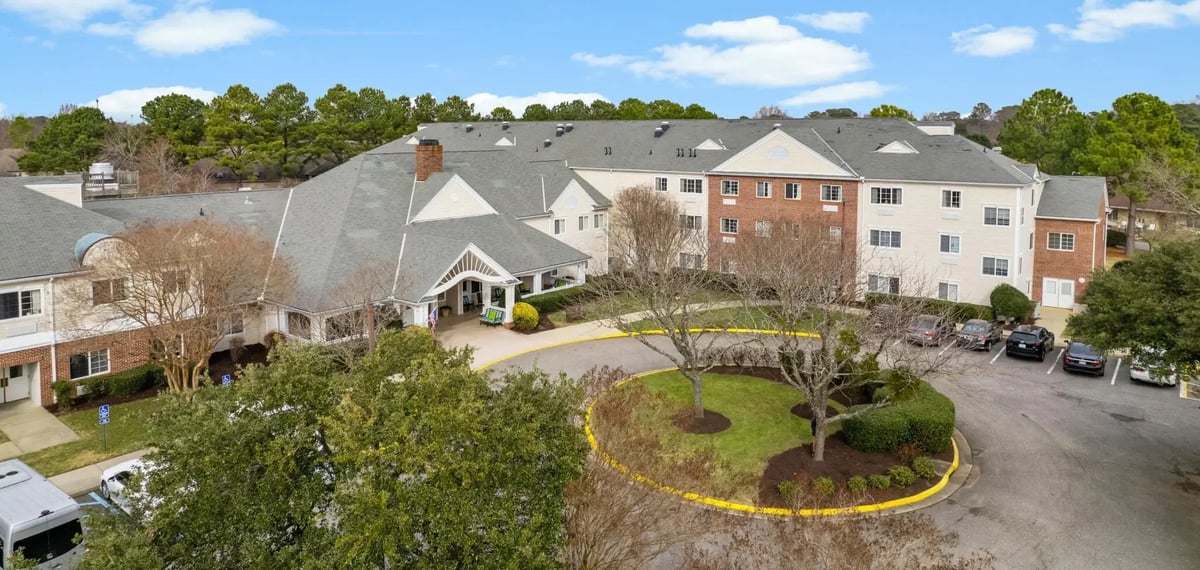
Understanding when dementia becomes unsafe at home requires honest conversations and thoughtful planning around daily risks. Families at Discovery Commons Virginia Beach often find reassurance in a GLOW℠ Memory Care setting specifically for residents living with memory loss. Here, personalized support and a comfortable, home-like environment help reduce common hazards.
Wandering Behavior Creates Serious Risks
Wandering behavior in dementia is one of the most urgent safety concerns families face. A loved one may leave home without notice and quickly become disoriented, even in familiar surroundings. Traffic, weather conditions, and confusion can create dangerous situations within minutes.
While locks or alarms may seem helpful, they can also increase frustration. In a supportive environment like Discovery Commons Virginia Beach, thoughtful spaces allow residents to move freely while remaining safe. Team members trained in gentle redirection help guide residents during moments of restlessness, reducing stress while preventing unsafe situations.
Kitchen and Cooking Hazards Increase
Kitchen safety concerns in dementia often appear gradually. What starts as small mistakes can become serious risks over time.
Common concerns include:
- Forgetting to turn off the stove or leaving food unattended
- Attempting to cook unsafe items
- Burns from hot surfaces or cuts from sharp utensils
- Eating spoiled or uncooked food
In a memory care setting, residents enjoy chef-prepared meals in welcoming dining areas that encourage connection and routine. Some communities also offer supervised cooking programs, allowing residents to stay engaged in familiar tasks in a safe, structured way.
Fall Risks Increase for People With Memory Loss
Fall risks for people with memory loss rise as cognitive changes affect balance, judgment, and spatial awareness. A loved one may forget to use a walker, misjudge distances, or attempt movements that are no longer safe.
Common fall-related risks include:
- Moving through dark rooms at night
- Tripping on rugs or uneven flooring
- Difficulty with bathroom transfers
- Navigating stairs or steps
Memory care environments have senior safety in mind. Features like clear pathways, supportive handrails, and consistent lighting help reduce accidents. GLOW℠ Memory Care team members at Discovery Commons Virginia Beach are available to assist with daily routines and provide regular check-ins. This helps residents move more safely throughout the day.
Medication Management Becomes Unreliable
Managing medications safely becomes more difficult as memory loss progresses. Missed doses, repeated doses, or confusion about instructions can lead to serious health concerns.
Warning signs include:
- Forgetting medications entirely
- Taking doses more than once
- Mixing up prescriptions
- Not understanding directions
In a memory care community, medication support is handled consistently and carefully. This helps reduce risks while easing the burden on families who may be trying to manage these responsibilities from a distance.
Personal Hygiene and Self-Care Decline
Changes in personal hygiene are often one of the more emotional signs for families. A loved one may forget to bathe, wear clean clothing, or complete daily routines.
These changes can lead to skin irritation, increased fall risk, social withdrawal, and reduced overall well-being.
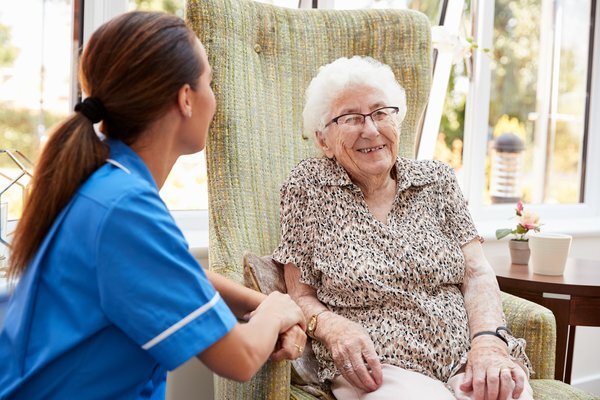
In memory care, respectful assistance with daily routines helps residents maintain dignity while staying safe. Personalized support allows individuals to receive help where needed while preserving independence in other areas.
Finding the Right Time for Memory Care
Recognizing memory loss safety risks is not about giving up independence. It is about creating a safer, more supportive environment where your loved one can continue to experience meaningful daily moments.
Many families find that making a proactive decision, rather than waiting for a crisis, leads to a smoother and more positive transition.
Schedule a personalized GLOW℠ Memory Care tour to learn how we can support your family.